
Each year, thousands of international students graduate from Chinese universities with a Bachelor’s degree certificate and academic transcript. While these documents are fully valid in China, many graduates discover that additional formalities are required before they can be used abroad—whether for further study, employment, immigration, or professional qualification purposes.
This guide explains how Bachelor’s degree certificates and transcripts issued in China can be properly notarized and legalized, and how international students can complete the process remotely, even after leaving China.
Why Chinese Degree Certificates and Transcripts Are Not Automatically Accepted Abroad
A Bachelor’s degree certificate and transcript issued by a Chinese university are official academic documents under Chinese law. However, foreign universities, immigration authorities, and employers generally cannot directly verify documents issued in another country.
As a result, most overseas institutions require confirmation that:
- the document is genuine,
- it was lawfully issued,
- and it has not been altered.
This confirmation is typically achieved through notarization, and in many cases, Apostille or consular legalization, depending on the destination country.
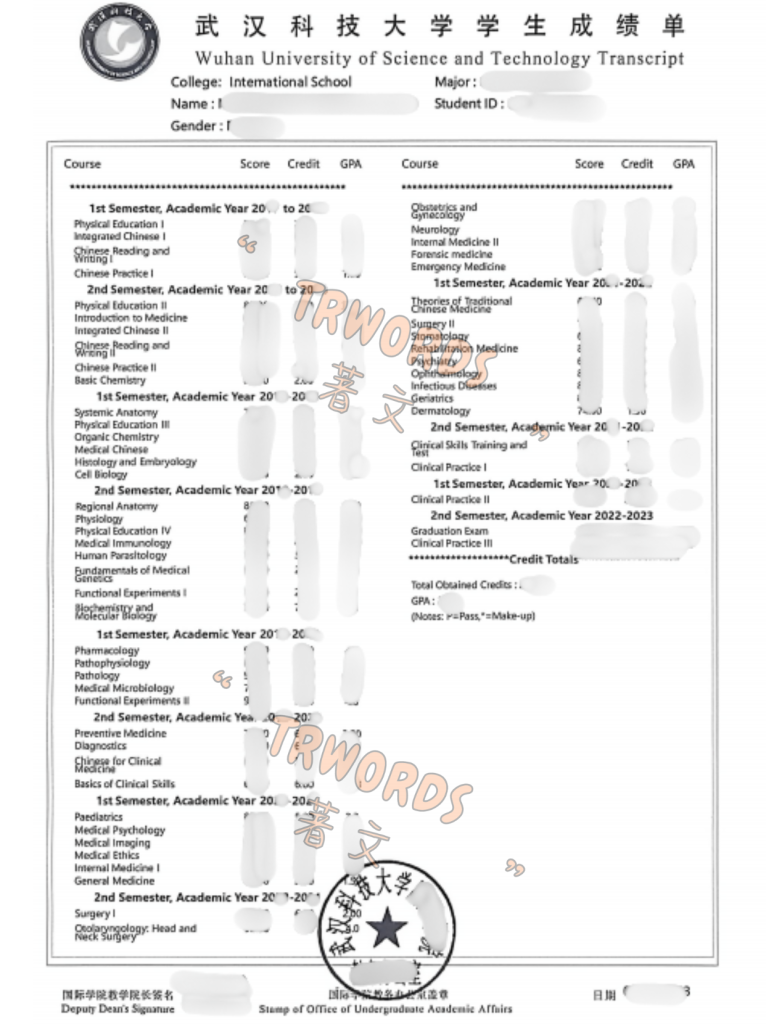
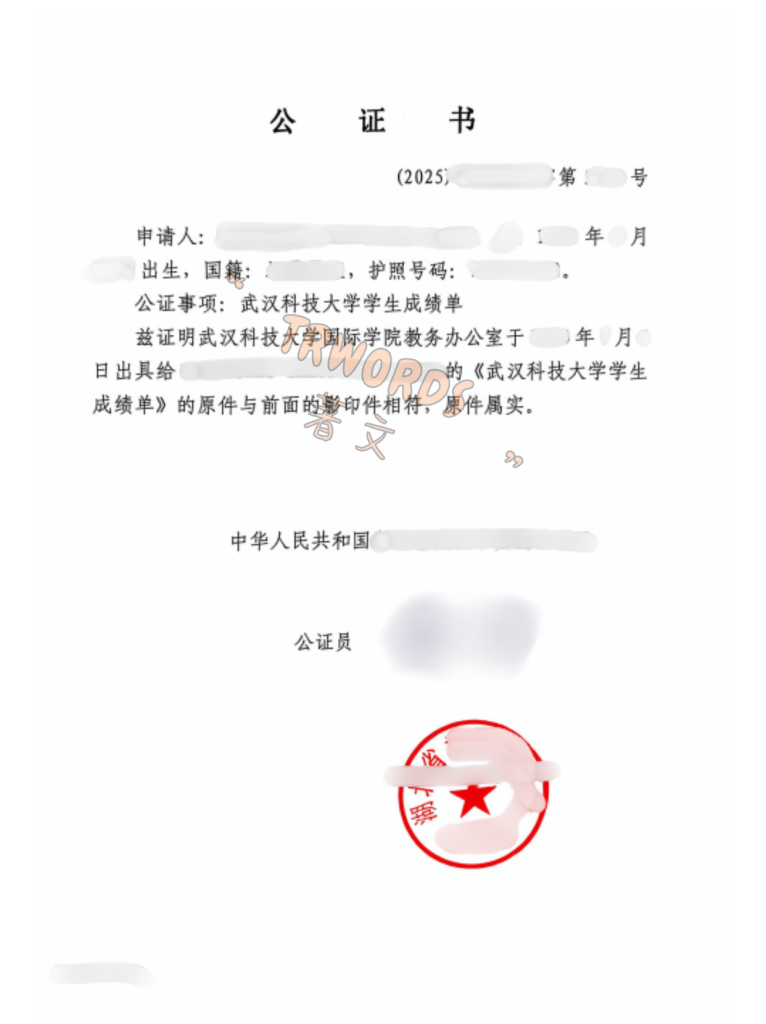
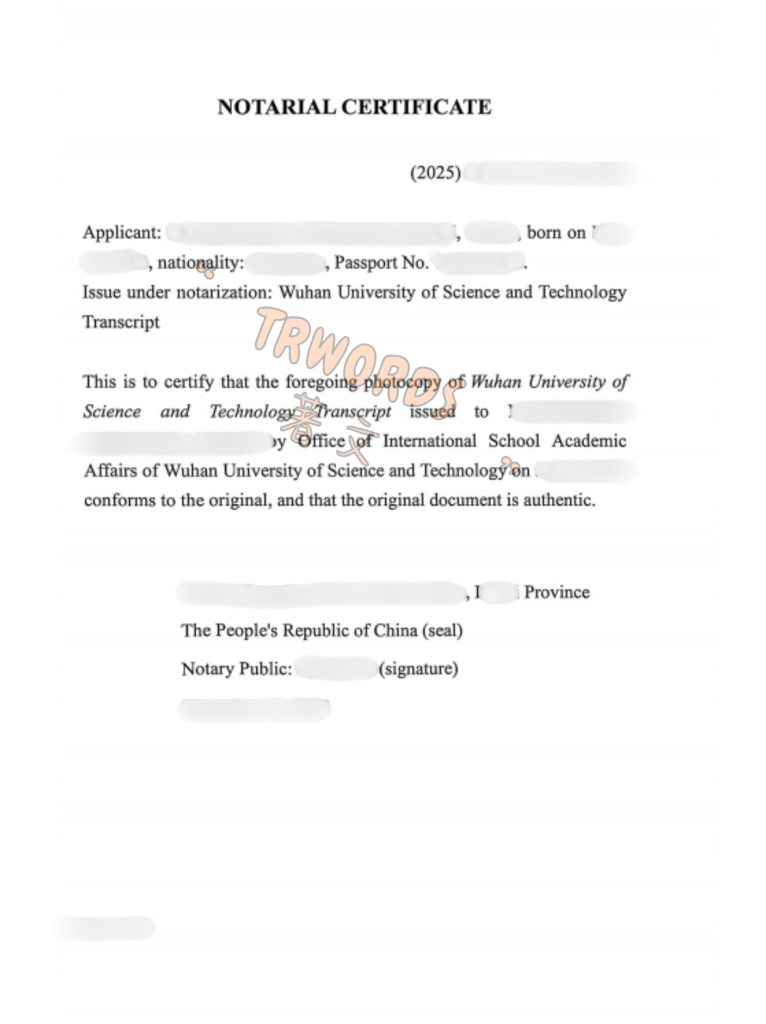
Bachelor’s Degree Certificate and Transcript: Why Both Are Often Required
In international applications, a Bachelor’s degree certificate alone is frequently insufficient.
The Bachelor’s degree certificate confirms that a degree was awarded.
The academic transcript shows the courses taken, credits earned, and academic performance.
Many authorities—especially universities and credential evaluation agencies—review these documents together. Some countries explicitly require that both documents be notarized and legalized as a package, rather than submitted separately.
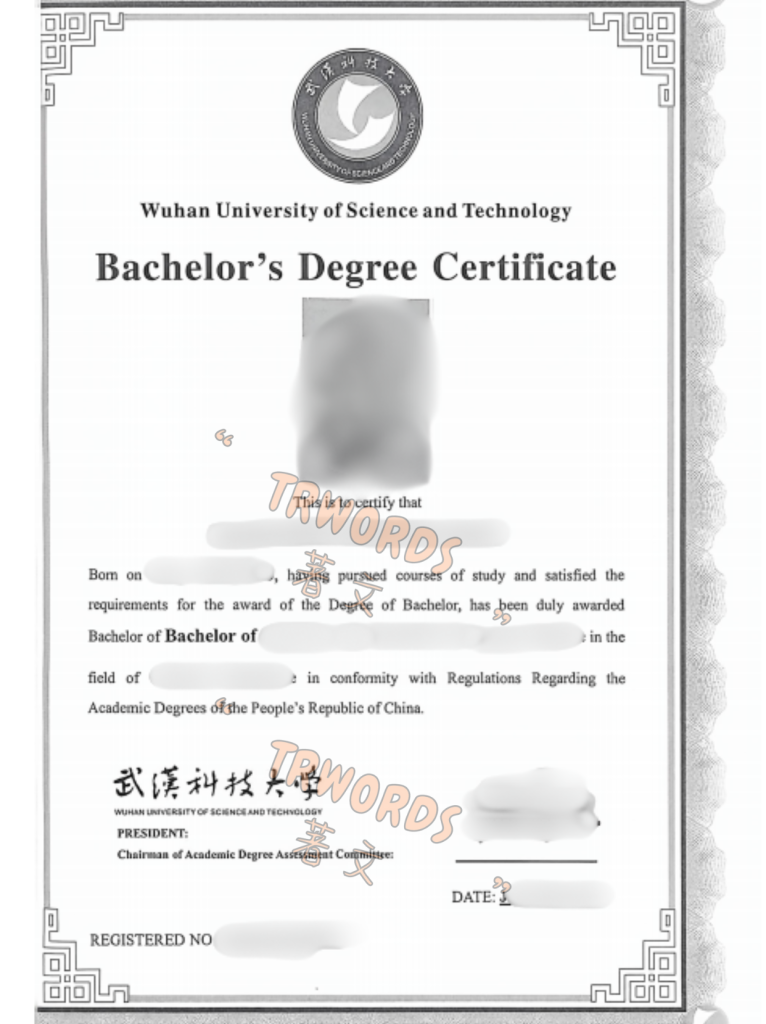
Translation vs. Notarization: A Common Source of Confusion
Many applicants assume that translating their documents into English is enough. In practice, translation and notarization serve very different purposes.
Translation ensures linguistic accuracy.
Notarization confirms the authenticity and legal validity of the original document.
Even a perfectly translated degree certificate may be rejected if it has not been notarized by a Chinese notary public. In most cross-border cases, notarization is the key step that makes the document usable outside China.
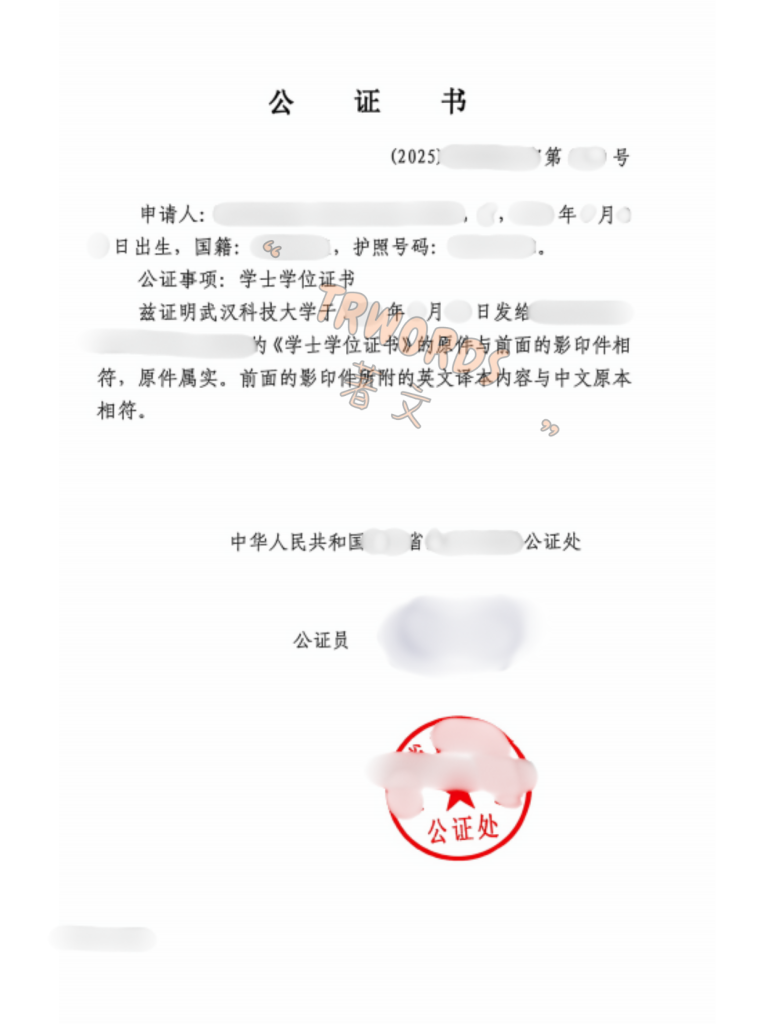
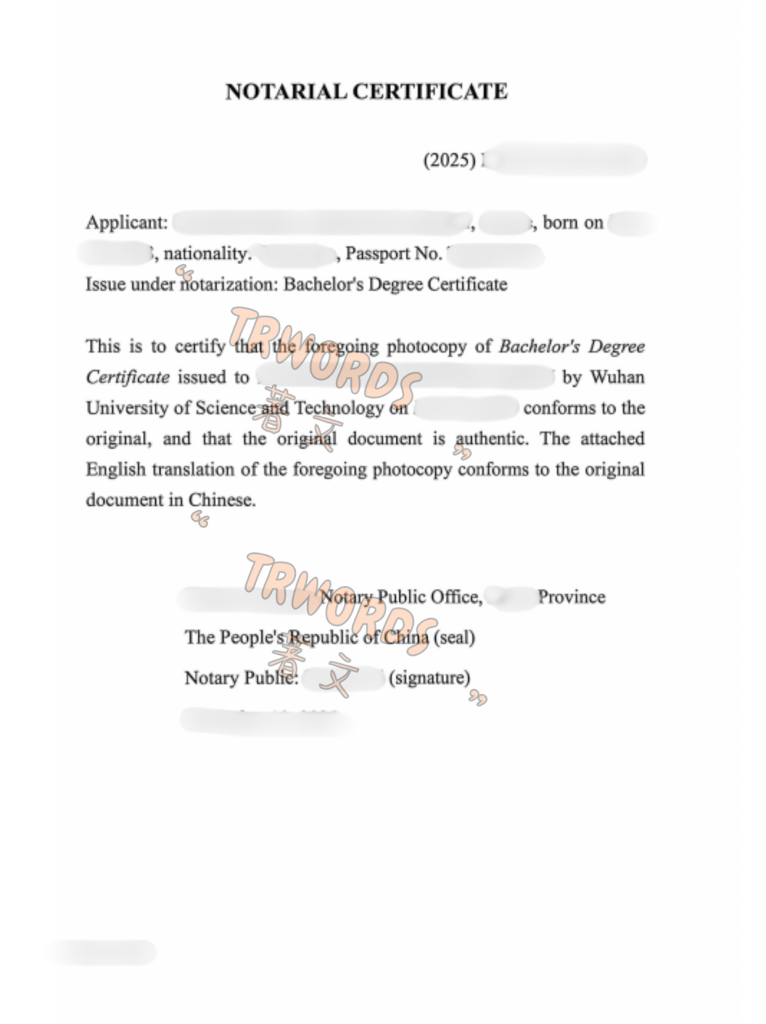
What Is Bachelor’s Degree Certificate and Transcript Notarization in China?
Notarization in China is performed by a licensed notary public office. For academic documents, the notary verifies that:
– the original degree certificate or transcript is authentic,
– the copy used for notarization matches the original,
– and the document was lawfully issued by a recognized institution.
The notary then issues a notarial certificate, which is the document actually presented abroad—not the original degree certificate or transcript itself.
Apostille vs. Consular Legalization: Which One Applies?
After notarization, some documents must undergo additional authentication before they can be used internationally.
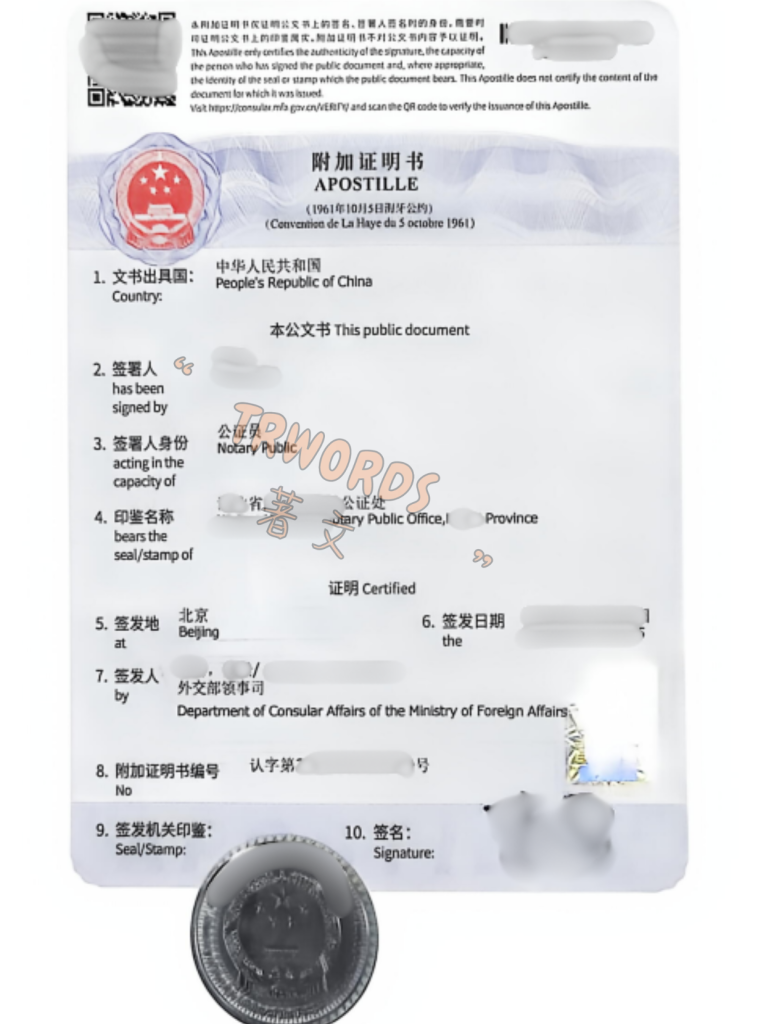
Apostille
If the destination country is a member of the Hague Apostille Convention, the notarized documents can be authenticated with an Apostille. No embassy legalization is required after that.
Consular Legalization
If the destination country is not an Apostille member, the notarized documents must usually go through:
Authentication by the Chinese Ministry of Foreign Affairs (or its local offices), and
Legalization by the destination country’s embassy or consulate in China.
The required process depends entirely on where the documents will be used, not on the applicant’s nationality.
Required Materials (General Reference)
While requirements may vary slightly, international students typically need to provide:
– Passport
– Bachelor’s degree certificate
– Academic transcript
– Authorization letter (if applicable)
In many cases, clear scanned copies are sufficient, and original documents do not need to be submitted physically.
Can the Notarization Process Be Completed Remotely?
Yes. For many international graduates, remote notarization is the most practical solution, especially if they have already left China.
Through online and remote procedures:
– documents can be submitted digitally,
– identity and intent can be confirmed remotely,
– and notarized certificates can be delivered by courier.
This approach eliminates the need to return to China and is widely used by overseas graduates.
Notarization Processing Time Overview
Notarization: typically completed within 3-5 working days after materials are confirmed.
Apostille: generally 5 working days.
Consular legalization: additional time depending on the destination country’s embassy or consulate in China.
Expedited processing may be available in time-sensitive cases.
Actual timelines may vary based on document complexity and country-specific requirements.
Fees and Cost Considerations
Costs may include:
– notarial fees (set by local authorities),
– translation fees (depending on language),
– Apostille or consular legalization fees,
– courier and additional copy fees.
The total cost depends on the destination country and the number of documents involved.
Common Issues International Students Should Avoid
Submitting unofficial or incomplete transcripts;
Not notarizing the transcript when the destination country requires both documents;
Using translations that do not meet formal requirements;
Starting the process too close to application deadlines;
Assuming the same requirements apply to all countries.
Proper preparation can help avoid delays and repeated submissions.
Final Notes
Bachelor’s degree certificates and transcripts issued in China are widely accepted abroad when properly notarized and authenticated. Because requirements vary by country and authority, understanding the correct procedure in advance is essential—especially for international students who are no longer in China.
Professional assistance can help streamline the process, ensure compliance with destination-country rules, and reduce unnecessary delays.