
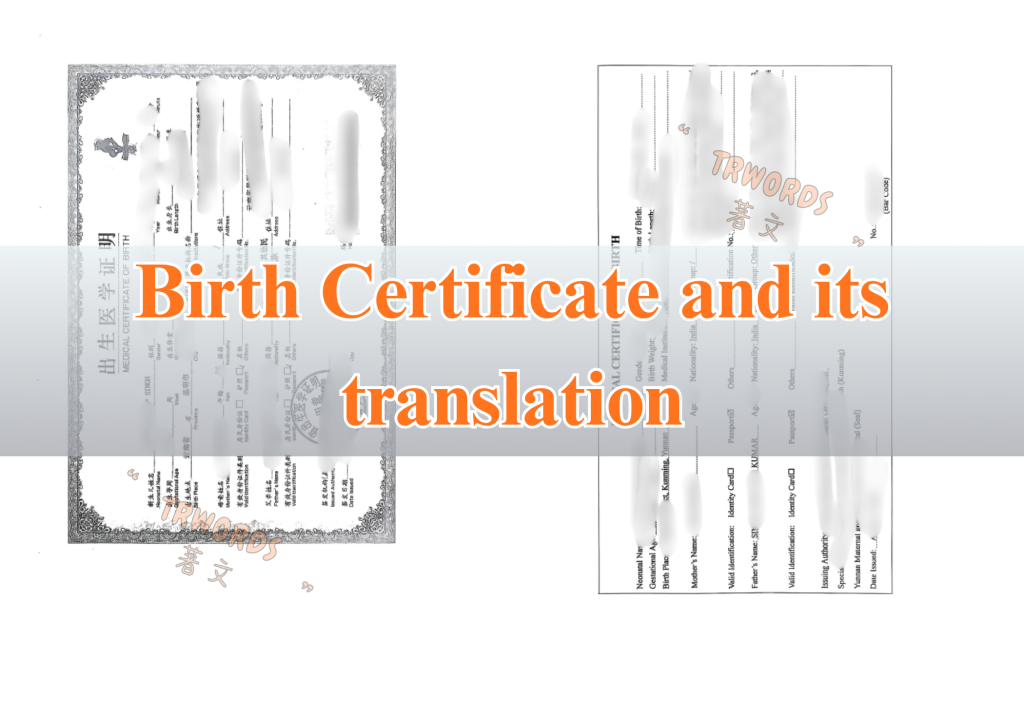
An Indian couple had been living in China and welcomed their baby in Yunnan Province. Soon after the child was born, they needed to prepare the Chinese Birth Medical Certificate for birth registration and other consular procedures with the Indian authorities.
Because the document was issued in China, it first needed to be prepared in a formal bilingual notarial format. It also required authentication through the Chinese foreign affairs authority before the family could submit it to the relevant Indian mission in China.
Documents Required for the Notarization
For this case, the family provided clear scanned copies of the following documents:
- both parents’ passports;
- the parents’ marriage certificate;
- the child’s Chinese Birth Medical Certificate;
- other supporting documents may be required by the notary.
The parents’ names, passport details and marriage information still needed to match the information recorded on the Birth Medical Certificate.
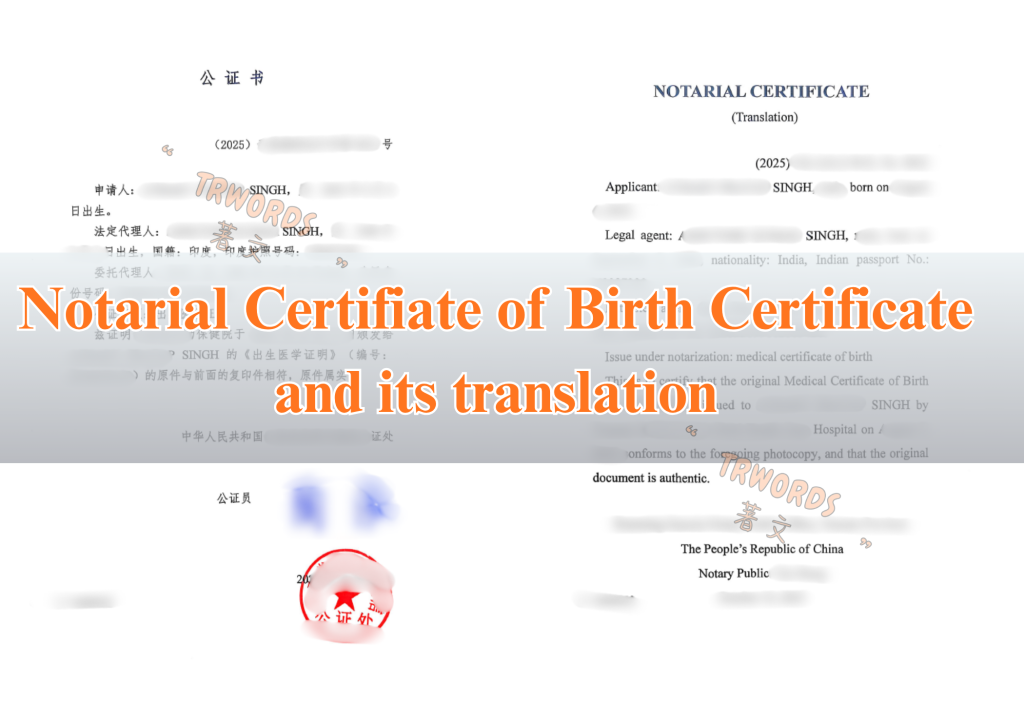
Chinese-English Bilingual Notarial Certificate
The Birth Medical Certificate was notarized in China and prepared as a Chinese-English bilingual notarial certificate. The English translation allowed the Indian authorities to review the child’s birth details, place of birth and parents’ information without relying only on the original Chinese document.
The notarial certificate formally confirmed the Chinese Birth Medical Certificate in the format required for further authentication. This stage took approximately five to seven working days after the materials had been reviewed and accepted.
Why China Apostille Could Not Be Used
China and India are both parties to the Apostille Convention. However, India formally objected to China’s accession, so the Convention does not currently operate between the two countries.
For that reason, a China Apostille was not the correct route for this document. The Chinese notarial certificate still needed to follow the traditional consular authentication process:
Notarization in China → Authentication by the Chinese Ministry of Foreign Affairs or an authorized Foreign Affairs Office → Attestation by the Indian Embassy or Consulate in China
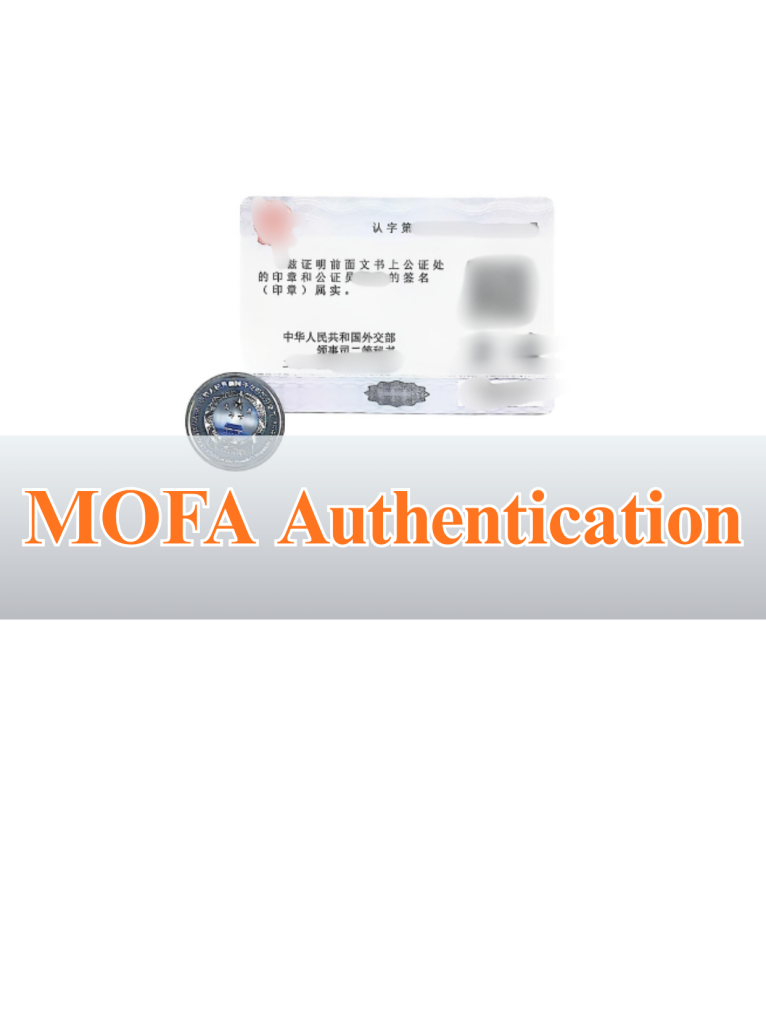
Chinese MOFA Authentication
After the bilingual notarial certificate was issued, we arranged authentication by the Chinese foreign affairs authority. This authentication confirmed the signature and seal on the Chinese notarial certificate so that it could proceed to the Indian consular stage.
The Chinese foreign affairs authentication took approximately five working days. This processing estimate did not include document review, public holidays or courier delivery.
Remote Handling Without Original Documents
The family was still living in China, but they did not need to visit the notary office or send us the original Birth Medical Certificate. Clear scanned copies were sufficient for this case, subject to the notary office’s review.
Once the notarization and Chinese foreign affairs authentication were completed, we mailed the finished documents to the family’s address in China. They could then take the authenticated notarial certificate to the relevant Indian Embassy or Consulate for the final attestation.
Scope of Our Service
Our service for this case covered the Chinese-English notarization and Chinese foreign affairs authentication stages. Indian Embassy or Consulate attestation was not included, so the completed documents were returned to the family for submission to the relevant Indian mission.
This division of the process was explained before the application began. It allowed the parents to receive a document that had completed all required Chinese procedures and was ready for the final Indian consular stage.
Processing Time
The approximate processing time for this case was:
- Birth Medical Certificate notarization: 5–7 working days
- Chinese foreign affairs authentication: approximately 5 working days
- Indian consular attestation: arranged separately by the family
What This Case Shows
The arrival of a baby often brings several document procedures at once, especially for foreign parents living in China. Preparing the Chinese Birth Medical Certificate correctly at the beginning can make later birth registration, passport and consular procedures much easier.
It is also important to check whether the Apostille Convention actually operates between the issuing country and the destination country. China and India are both Convention parties, but Chinese documents for use in India still follow the consular authentication route because the Convention does not apply between them.